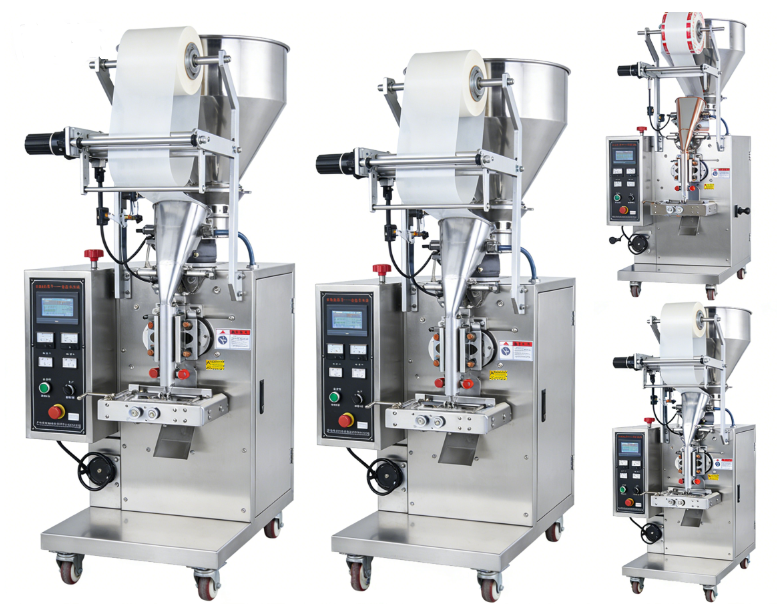
One of the first questions any buyer asks is: “How many packs per hour can this machine produce?” But production capacity is more than just a number on a spec sheet. If you oversize, you waste capital; if you undersize, you create bottlenecks. This guide helps you precisely match automatic packaging machine capacity to your real needs.
Understanding Capacity Metrics
Manufacturers express capacity in different ways: PPM (packs per minute), PPH (packs per hour), or kg/hour for weight-based fillers. Always convert to your own unit of measure. For example, a machine rated at 50 PPM might drop to 40 PPM when using difficult materials or larger bag sizes.
Step 1: Calculate Your Peak Demand
Look at your busiest month last year. Divide total packs produced by operating days, then by operating hours. Example: 2 million packs / 25 days / 16 hours = 5,000 packs per hour (83.3 PPM). Now add a safety factor of 20–30% for growth and maintenance downtime. That gives you a target of 100–108 PPM.
Step 2: Match Machine Duty Cycle
Automatic packaging machines are rated for continuous or intermittent operation. A “light duty” machine may run 8 hours/day; “heavy duty” runs 24/7 with higher-grade components. Check the duty cycle (e.g., S1 continuous, S4 intermittent). For 3-shift operations, insist on S1 rated machines with oversized motors and cooling fans.
Step 3: Consider Upstream and Downstream Integration
Your packaging machine cannot run faster than your product feeding system or slower than your case packer. Calculate the entire line’s Overall Equipment Effectiveness (OEE). A packaging machine rated at 120 PPM is useless if the weigher only supplies 80 PPM. Aim for balanced capacities within 10% difference.
Real-World Capacity Examples
- Small bakery (10,000 packs/day): 30–40 PPM vertical form fill seal (VFFS) machine with manual bag loading.
- Medium coffee roaster (50,000 packs/day): 60–80 PPM auger filler with gas flush, automatic film splicing.
- Large pet food plant (500,000 packs/day): 150–200 PPM multi-head weigher + high-speed VFFS + robotic case packing.
How to Test Capacity Claims
Ask the supplier for a Capacity Validation Protocol. This should include: run time (minimum 2 hours continuous), product type, bag size, and actual achieved PPM. Many suppliers quote “theoretical peak speed” which is 20–30% higher than sustained speed. Get the sustained speed in writing.
Hidden Factors That Reduce Effective Capacity
Even a correctly sized machine can underperform due to: frequent film roll changes (add an automatic splicer), product bridging in hoppers (add agitators), complex bag styles (quad seal runs slower than pillow bag), and operator breaks (automate reject handling).
Future-Proofing Your Capacity Choice
Select a machine with a control system that allows speed upgrades via software (some servo-driven models can increase PPM by 30% with a firmware update). Also, ensure the frame and seal bars are robust enough to handle future speed increases – upgrading motors is cheaper than buying a new machine.
By following this capacity-focused buying guide, you will avoid the costly trap of a machine that is either too slow or unnecessarily expensive. Always validate with real product runs and plan for at least two years of volume growth.