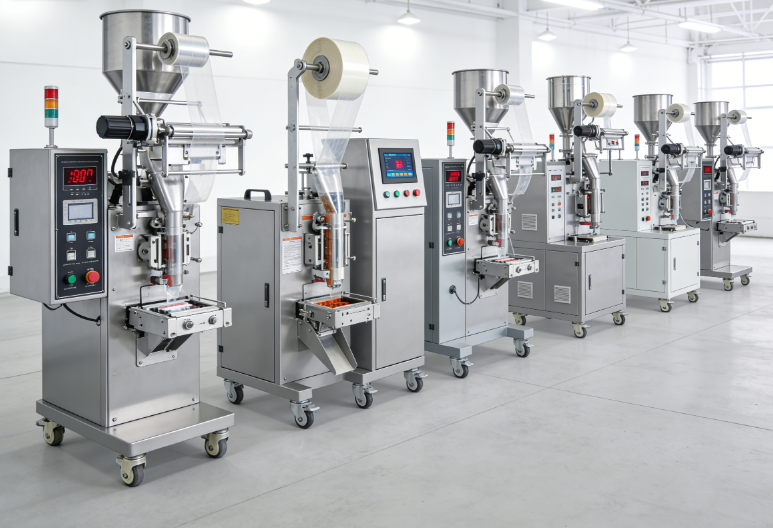
Investing in an automatic packaging machine is a major decision that impacts production efficiency, labor costs, and product quality. However, many buyers rush into a purchase without evaluating critical parameters, leading to downtime and unexpected expenses. This ultimate buying guide walks you through every essential factor and highlights common mistakes to avoid.
Why You Need an Automatic Packaging Machine
Automatic packaging machines eliminate manual handling, increase throughput, ensure consistent seal integrity, and reduce material waste. Whether you are packaging granules, powders, liquids, or solid items, the right machine can pay for itself within months. But with hundreds of models on the market, how do you choose?
5 Key Factors to Evaluate Before Buying
1. Production Speed (PPM – Packs Per Minute)
Speed is measured in cycles per minute or packs per minute (PPM). Low-speed machines operate at 20–40 PPM, mid-range at 50–80 PPM, and high-speed systems exceed 100 PPM. Pro tip: Always add a 20% buffer to your current peak demand to accommodate future growth.
2. Packaging Material Compatibility
Not all machines handle all films. Check if the unit supports laminated films, polyethylene, aluminum foil, or biodegradable materials. The sealing system (heat, ultrasonic, or cold seal) must match your film type.
3. Product Characteristics
Free-flowing granules need a different feeding system than sticky powders or irregular solid items. Consider auger fillers for powders, cup fillers for granules, and multi-head weighers for mixed products.
4. Changeover Flexibility
If you run multiple bag sizes or product types, look for tool-less changeover, digital recipe storage, and quick-release seal jaws. Changeover time under 15 minutes is ideal for small-to-medium batches.
5. Service & Spare Parts Availability
Ask about local technical support, average response time, and the availability of common spare parts (heating elements, belts, sensors). A machine from a manufacturer with poor support will become a liability.
Most Common Buying Mistakes
- Ignoring total cost of ownership: Low purchase price often means high energy consumption, frequent repairs, and expensive proprietary parts.
- Overlooking floor space and utilities: Measure your available area, compressed air requirements (CFM), and power supply (single-phase vs three-phase).
- No on-site demonstration: Never buy based on a brochure. Request a video or, better, a live test with your actual products and films.
- Forgetting operator training: Complex HMI interfaces can cause errors. Ensure the supplier provides comprehensive training and manuals.
- Skipping future scalability: Your packaging needs will grow. Choose a machine with optional add-ons like printers, checkweighers, or case packers.
ROI Calculation Example
Assume manual packing costs $0.03 per pack (labor). An automatic machine with 60 PPM operating 8 hours/day can produce 28,800 packs daily. At a machine cost of $25,000 and operational savings of $864 per day (28,800 x $0.03), payback occurs in approximately 29 days. Even after adding maintenance and power, ROI is typically under 6 months for medium-volume operations.
Final Checklist Before You Sign
☑️ Machine meets or exceeds your speed requirement with buffer.
☑️ Material compatibility confirmed via test run.
☑️ Changeover fits your production schedule.
☑️ Warranty at least 12 months with on-site service.
☑️ Spare parts kit included.
☑️ User manual and electrical schematics provided.
☑️ CE or UL certification if required in your region.
By following this buying guide, you will avoid the most expensive mistakes and select an automatic packaging machine that delivers years of reliable service. Remember: the cheapest machine is rarely the most profitable in the long run.