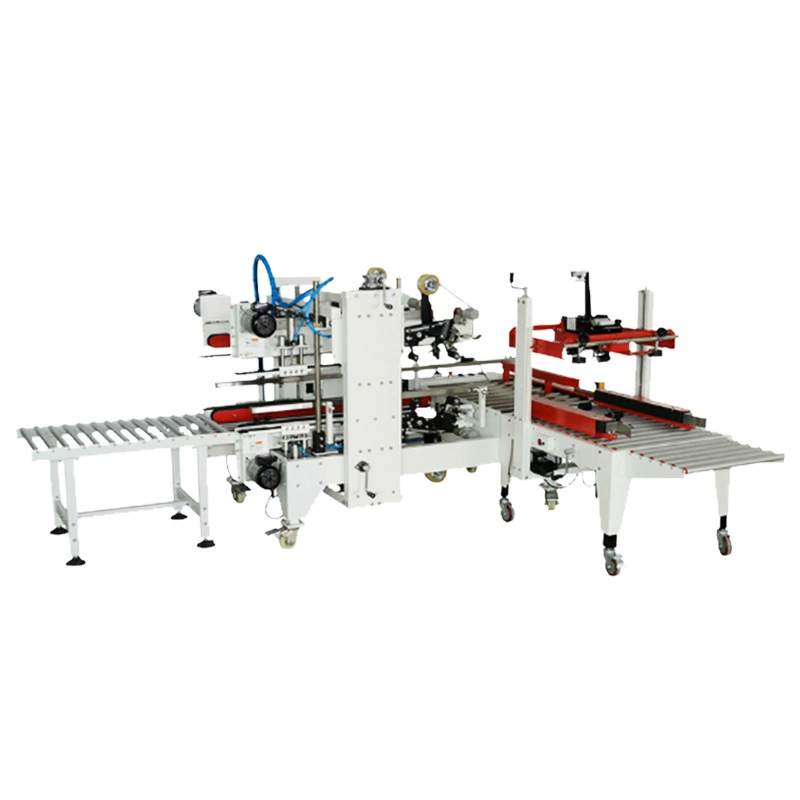
Every quotation says 30 to 45 days. Almost no project ships in 45 days. The gap is not usually a lie, it is a definition problem: the seller is quoting the time it takes to build the machine, while you are planning the time it takes to have bags coming off it in your building.
Those are two different numbers, and the difference is usually six to twelve weeks.
The six clocks running at once
When a buyer says “lead time”, they usually mean one of these. Ask which one the seller is quoting, in writing:
- Build time from deposit to machine complete
- Deposit to factory acceptance test slot
- FAT to loading at the port
- Loading to arrival at your port
- Arrival to customs release and delivery
- Delivery to commissioning and first saleable bag
Clocks four and five alone can eat 35 to 50 days on a sea freight route, and nobody controls them.
Typical build times by machine type
| Machine | Standard build | With custom tooling |
|---|---|---|
| Flow wrapper, mechanical | 20 to 30 days | 35 to 45 days |
| Flow wrapper, servo | 30 to 45 days | 50 to 65 days |
| VFFS, standard | 25 to 40 days | 45 to 60 days |
| VFFS with multihead weigher | 40 to 55 days | 60 to 75 days |
| Premade pouch machine | 35 to 50 days | 55 to 75 days |
| Thermoforming vacuum packer | 45 to 65 days | 70 to 90 days |
| Cartoning line | 40 to 60 days | 70 to 95 days |
The five things that actually slip
1. Imported components. Servos, PLCs, and specialised sensors have their own lead times, and a shortage of one drive model can hold a finished frame in the corner for three weeks. Ask which components are imported and what the current lead time is on each.
2. A custom forming shoulder or format set. Machining a new former is a two to four week job, and it only starts after you approve the bag drawing. Approving that drawing late is the single most common cause of a late machine.
3. Your own printed film. Film needs artwork approval, cylinder engraving, and a print run. That is often four to six weeks, and the machine cannot do a meaningful acceptance test without it. Start the film supplier the same week you place the machine order.
4. The FAT slot. Factories book test bays in advance. If you need a witnessed test in the last week of the build, you may wait another ten days for a slot and another week for rework if it fails.
5. Your building. Power capacity, air supply, floor levelling, and a door wide enough to take the machine are all on your critical path, not the seller’s. We have seen machines sit in a warehouse for two months because the electrical upgrade had not been signed off.
Where the weeks disappear after the machine is finished
The machine is done, the balance is paid, and everyone relaxes. Then: booking a container takes a week, trucking to the port two days, port congestion anywhere from two to ten days, the ocean leg 25 to 40 days depending on route, customs clearance three to seven days if the paperwork is clean and much longer if it is not, and inland delivery another week.
That is a realistic 45 to 60 days door to door on a good route. On a bad one, 90.
How to compress 45 days into 30
- Freeze the bag specification before you pay the deposit. Not after. A drawing signed in week one saves two weeks in week six.
- Use a standard bag size and a standard former for your first machine. Custom shapes are for the second machine.
- Book the FAT slot when you place the order, not when the machine is nearly ready.
- Order film and pouches in parallel with the machine, from a supplier who can hit your trial date.
- Ask for a pre-FAT video in week three. It catches obvious problems while there is still time to fix them without delaying the test.
- Ship critical spare parts by air at the same time as the machine, not in the container. A 400 dollar air freight bill beats a two-week wait for a thermocouple.
- Prepare the utilities before the machine arrives. This is free and almost always late.
Contract clauses that actually protect you
Ask for the delivery date to be defined as “ready for FAT”, not “shipped”, because that is the date the seller controls.
Add a delay clause with a real number in it: for example, 0.3 percent of the machine value per week of delay, capped at 5 percent. Sellers who are confident about their schedule sign it without much argument.
Agree the Incoterm explicitly. FOB and CIF put different risks on different parties, and “CIF your port” is not the same as “delivered to your door”.
And write down what happens if the delay is caused by you: late bag drawing approval, late film, or a site that is not ready. A fair contract has a clause for that too, usually a storage fee after 30 days.
Plan backwards from the launch date
Take your target date for the first retail delivery and subtract 14 days for a realistic ramp-up, 7 days for commissioning, 10 days for customs and inland delivery, 35 days of ocean freight, 7 days from FAT to loading, and 5 days of FAT and rework. That gives you the date the machine must be finished. Then subtract the build time and you have the date the deposit must be paid.
Most delays are not caused by factories. They are caused by buyers discovering this arithmetic after they have already promised a listing date to a retailer.
Frequently asked questions
Is 30 days realistic for a packaging machine?
For a simple mechanical flow wrapper with a standard format, yes. For anything servo-driven, stainless, or with a weigher, treat 40 to 60 days as normal and plan the launch around it.
Can I pay extra to speed up production?
Sometimes. Factories can prioritise a machine or air-freight an imported component for a premium, usually 5 to 15 percent. Ask specifically what the money buys, because “rush fee” with no explanation is just a price increase.
What is the fastest way to lose two weeks?
Changing the bag size after the forming shoulder has been machined. Decide the bag before the deposit, and if you must change it, expect to pay for a new former and wait for it.
Should I visit the factory before shipping?
If you can, yes, and time it with the FAT. One trip covering the test and the shipping inspection is cheaper than two, and it is the only way to see the machine run with your own film.
Related reading: the full buying guide and how to write the specification.